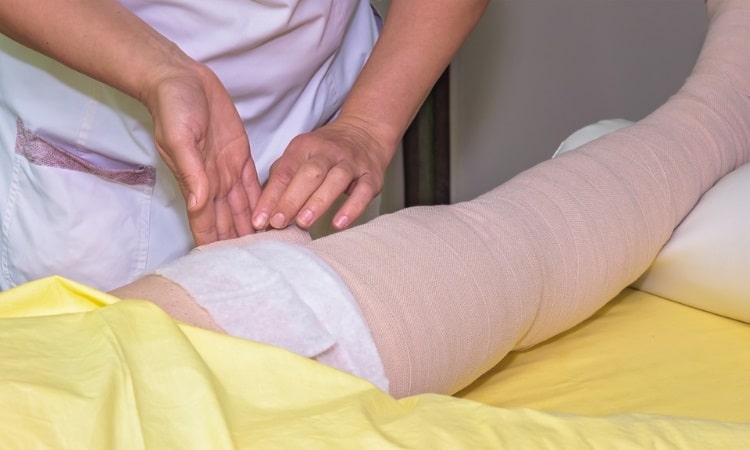






What are the Symptoms of Lymphedema?
The lymphatic system transports fluid throughout the body, filters it in the lymph nodes, and returns the fluid back to the circulatory system. Lymphedema occurs when lymphatic fluid cannot drain properly, usually out of an arm or leg. The collection of fluid causes the symptoms of the condition, including swelling, heaviness, and skin changes.Â
What is Lymphedema?
The lymphatic system plays a key role in our immune system and circulatory system, but when it runs into trouble, lymphedema can result. Lymphedema occurs when the lymphatic fluid has stopped draining out of an area properly. This causes the tissues in the area to swell with fluid. The swelling often bothers people the most since it can be very visible and restrict normal motion. In some cases where Lymphedema occurs as a result of chronic venous insufficiency or other venous problems, the lymphedema should respond to endovenous laser ablation.Â
The lymphatic system transports fluid throughout the body, filters it in the lymph nodes, and returns the fluid back to the circulatory system. Lymphedema occurs when lymphatic fluid cannot drain properly, usually out of an arm or leg. The collection of fluid causes the symptoms of the condition, including swelling, heaviness, and skin changes.Â
What is Lymphedema?
The lymphatic system plays a key role in our immune system and circulatory system, but when it runs into trouble, lymphedema can result. Lymphedema occurs when the lymphatic fluid has stopped draining out of an area properly. This causes the tissues in the area to swell with fluid. The swelling often bothers people the most since it can be very visible and restrict normal motion. In some cases where Lymphedema occurs as a result of chronic venous insufficiency or other venous problems, the lymphedema should respond to endovenous laser ablation.Â
*Individual results may vary.
What Causes Lymphedema?
Doctors classify lymphedema as primary (hereditary) or secondary. Several genetic conditions can cause lymphedema, and your risk is higher if you have a close relative with lymphedema. However, your doctor can look out for this condition and address it before it becomes too big a problem.Â
The highest number of secondary cases occur as a result of cancer treatment. Cancer surgery or radiation may disrupt the lymphatic draining since surgeons often remove lymph nodes during cancer surgery. The cause for the slowdown in drainage may remain unknown in some cases. Obesity and older age may contribute.Â
Lymphedema can also be a common symptom of advanced chronic venous insufficiency. In this case, blood that cannot return to the heart because of damaged veins begins to leak out of the vessel, causing the swelling of lymphedema.Â
What Causes Lymphedema?
Doctors classify lymphedema as primary (hereditary) or secondary. Several genetic conditions can cause lymphedema, and your risk is higher if you have a close relative with lymphedema. However, your doctor can look out for this condition and address it before it becomes too big a problem.Â
The highest number of secondary cases occur as a result of cancer treatment. Cancer surgery or radiation may disrupt the lymphatic draining since surgeons often remove lymph nodes during cancer surgery. The cause for the slowdown in drainage may remain unknown in some cases. Obesity and older age may contribute.Â
Lymphedema can also be a common symptom of advanced chronic venous insufficiency. In this case, blood that cannot return to the heart because of damaged veins begins to leak out of the vessel, causing the swelling of lymphedema.Â
Request a Consultation
Simply fill out the form on this page, and one of our highly trained staff members at Albuquerque Vein & Laser Institute will reach out to your promptly to schedule your appointment.
What are the Symptoms of Lymphedema?
The primary symptom of lymphedema is the accumulation of fluid in the affected part of the body. This can cause symptoms such as:
- Swelling
- Heaviness
- Skin changes such as thickening
- Blisters or fluid on the skin
- Ache or discomfort
- Difficulty using the affected limb
How is Lymphedema Treated?
Lymphedema of the legs, often resulting from venous insufficiency, responds well to treatment with endovenous laser ablation, a technique that collapses the damaged veins and reroutes blood to healthier vessels.Â
Because the skin in the area often undergoes changes that make it more susceptible to infection, you may prescribe an antibiotic to prevent any problems from developing.
What are the Symptoms of Lymphedema?
The primary symptom of lymphedema is the accumulation of fluid in the affected part of the body. This can cause symptoms such as:
- Swelling
- Heaviness
- Skin changes such as thickening
- Blisters or fluid on the skin
- Ache or discomfort
- Difficulty using the affected limb
How is Lymphedema Treated?
Lymphedema of the legs, often resulting from venous insufficiency, responds well to treatment with endovenous laser ablation, a technique that collapses the damaged veins and reroutes blood to healthier vessels.Â
Because the skin in the area often undergoes changes that make it more susceptible to infection, you may prescribe an antibiotic to prevent any problems from developing.
Take the Next Step
If you suffer from lymphedema in one or both legs and would like to learn if it’s a symptom of a deeper, treatable issue within your venous system, call our trusted vein specialists at Albuquerque Vein & Laser Institute at 505-848-VEIN or fill out the form on this page and one of our staff members will reach out to you promptly.Â
Albuquerque Vein & Laser Institute is located in the Journal Center area of Albuquerque and proudly serves vein patients throughout the entire Albuquerque area, as well as Rio Rancho, Santa Fe, Santa Rosa, Los Lunas, and other areas throughout New Mexico.
** This blog provides general information and discussion about medicine, health, and related subjects. The words and other content provided in this blog, and in any linked materials, are not intended and should not be construed as medical advice. If the reader or any other person has a medical concern, he or she should consult with an appropriately licensed physician.
Related Posts