
Chronic Venous Insufficiency Albuquerque
Chronic-venous-insufficiency-albuquerque & Santa Fe

Chronic Venous Insufficiency

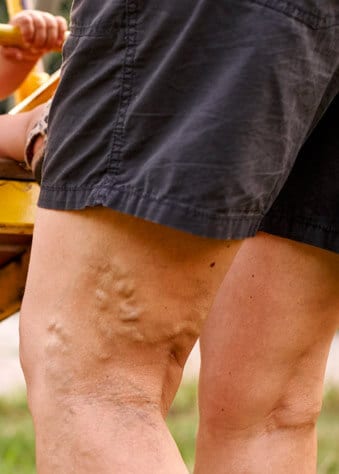
While venous insufficiency is defined as venous reflux (backflow) resulting from broken venous valves, Chronic Venous Insufficiency (CVI) is a more advanced form of vein disease due to the presence of venous reflux, where damage is not just found in the veins but also on the skin. Just as smoking damages the lungs, varicose veins over the years can damage the skin, resulting in discoloration, changes in skin texture, and even venous skin ulcers. It’s important to seek vein treatment sooner rather than later to prevent the development of Chronic Venous Insufficiency.

What is Chronic Venous Insufficiency?

What Treatments are Available for Chronic Venous Insufficiency?

Am I a Good Candidate?

What Results Can I Expect?

Chronic Venous Insufficiency (CVI) is a more advanced state of venous reflux – the underlying condition that causes varicose veins. While patients suffering from early-stage venous reflux may present with discomfort and cosmetic concerns, such as bulging veins, those with CVI will present with the discomfort as well as more advanced symptoms (ulcers, skin discoloration, skin texture changes, etc.), often warranting more immediate medical intervention. Venous reflux occurs when the one-way valves in the vein are broken, allowing blood to fall downwards in the vein instead of flowing up toward the heart. This results in back pressure and congestion in the vein. After years of this blood pooling, serious side effects develop. The seriousness of CVI increases as the disease progresses, and it will not improve on its own.

After performing a Doppler ultrasound test on your affected leg(s) to determine if venous reflux may be contributing to your symptoms, Dr. Cutchen will recommend a treatment protocol that will include a combination of endovenous laser ablation, ambulatory phlebectomy, and endovenous chemical ablation to address the diseased veins so that blood will no longer “pool” and can be re-routed to healthy veins.

If you present with chronic venous insufficiency during your consultation, you are a good candidate for one or a combination of in-office vein treatments with Dr. Cutchen. Most patients, along with the advanced signs of skin changes and/or ulceration, will also experience heavy, achy legs, visible bulging varicose veins and/or swelling at the end of the day. Because symptomatic venous insufficiency is a medical – and not cosmetic – issue, most insurance providers will cover the required in-office procedures.

Immediately following the procedure, you may have some bruising, which will gradually disappear over the course of two weeks. You will be required to wear prescription compression stockings for a period of time, and strenuous activity and exercise should be avoided for 1-2 weeks.  Most patients resume normal day-to-day activity immediately, and the vast majority of patients notice a significant improvement of symptoms. However, patients with advanced symptoms may also require a longer period of compression, especially in the case of venous ulcers.

Chronic Venous Insufficiency (CVI) is a more advanced state of venous reflux – the underlying condition that causes varicose veins. While patients suffering from early-stage venous reflux may present with discomfort and cosmetic concerns, such as bulging veins, those with CVI will present with the discomfort as well as more advanced symptoms (ulcers, skin discoloration, skin texture changes, etc.), often warranting more immediate medical intervention. Venous reflux occurs when the one-way valves in the vein are broken, allowing blood to fall downwards in the vein instead of flowing up toward the heart. This results in back pressure and congestion in the vein. After years of this blood pooling, serious side effects develop. The seriousness of CVI increases as the disease progresses, and it will not improve on its own.

After performing a Doppler ultrasound test on your affected leg(s) to determine if venous reflux may be contributing to your symptoms, Dr. Cutchen will recommend a treatment protocol that will include a combination of endovenous laser ablation, ambulatory phlebectomy, and endovenous chemical ablation to address the diseased veins so that blood will no longer “pool” and can be re-routed to healthy veins.

If you present with chronic venous insufficiency during your consultation, you are a good candidate for one or a combination of in-office vein treatments with Dr. Cutchen. Most patients, along with the advanced signs of skin changes and/or ulceration, will also experience heavy, achy legs, visible bulging varicose veins and/or swelling at the end of the day. Because symptomatic venous insufficiency is a medical – and not cosmetic – issue, most insurance providers will cover the required in-office procedures.

Immediately following the procedure, you may have some bruising, which will gradually disappear over the course of two weeks. You will be required to wear prescription compression stockings for a period of time, and strenuous activity and exercise should be avoided for 1-2 weeks.  Most patients resume normal day-to-day activity immediately, and the vast majority of patients notice a significant improvement of symptoms. However, patients with advanced symptoms may also require a longer period of compression, especially in the case of venous ulcers.

If you would like to learn more about Chronic Venous Insufficiency, please call our office at (505) 848-8346 today to schedule a consultation or fill out the form on this page and one of our trusted staff members will reach out to you promptly.